
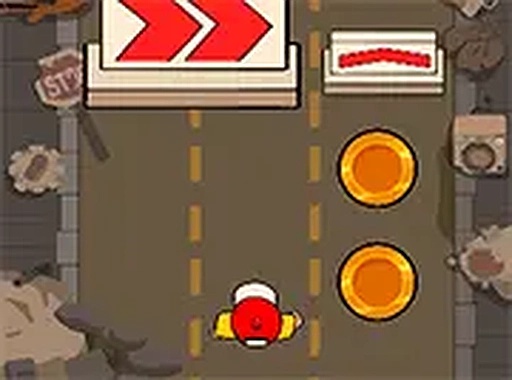
Swift Lane Dash
Opens in a play window — no download required.
Reviews
Swift Lane Dash delivers a straightforward yet addictive experience that honors classic arcade design. The three-lane system is easy to learn but offers depth as the pace accelerates. Visual clarity and responsive controls ensure that every near-miss feels earned. The lack of monetization gimmicks means the only barrier to success is your own reflexes. It is an ideal choice for quick gaming sessions or longer practice runs aimed at beating personal records.
Description
Core Running Mechanics
Swift Lane Dash places you in control of a character moving forward through a three-lane corridor. The primary interaction involves shifting between lanes to avoid obstacles that appear ahead. A simple swipe or key press moves the character left or right, while an upward gesture or key triggers a jump over low barriers. The game keeps the control scheme minimal, allowing players to focus entirely on timing and spatial awareness.
Pacing and Difficulty Curve
The game begins at a relaxed speed, giving newcomers time to adjust to the lane-switching rhythm. As the run continues, the pace gradually increases, requiring faster reactions and more precise movements. Obstacles appear more frequently and in varied patterns, testing the player's ability to read the road ahead. This steady escalation ensures that each session feels fresh, with the challenge growing naturally rather than through sudden spikes.
Visual and Feedback Design
The visual style is clean and uncluttered, with distinct lane markers and clearly visible obstacles. Color coding and subtle animations provide immediate feedback when the character successfully avoids a hazard. The interface shows the current score and distance traveled, encouraging players to push for personal bests. The overall aesthetic stays true to classic arcade sensibilities, prioritizing clarity and responsiveness over elaborate graphics.
Replay Value and Session Structure
Each run in Swift Lane Dash is unique due to the procedural generation of obstacles. There are no predetermined levels, so no two attempts play out the same way. The game is designed for short play sessions, making it easy to pick up for a few minutes during a break. The lack of in-app purchases or pay-to-win mechanics means that progress depends solely on player skill, which adds to the long-term appeal for those who enjoy improving their reflexes.
Strategies for Longer Runs
Experienced players often develop a rhythm by focusing on the center lane and reacting to obstacles as they appear. Scanning ahead helps anticipate whether a lane change or a jump is needed. Staying calm as the speed increases prevents panic-driven mistakes. Regular practice builds muscle memory, making lane switches and jumps feel automatic over time. Observing obstacle patterns can also reveal subtle timing cues that improve survival odds.




Comments
Sign in to leave a note
You must be logged in before posting a review or rating.
No account? Create one
No comments yet. Be the first to comment!